Volkswagen Warns of Steering Failure Risk for One Million Vehicles in Germany
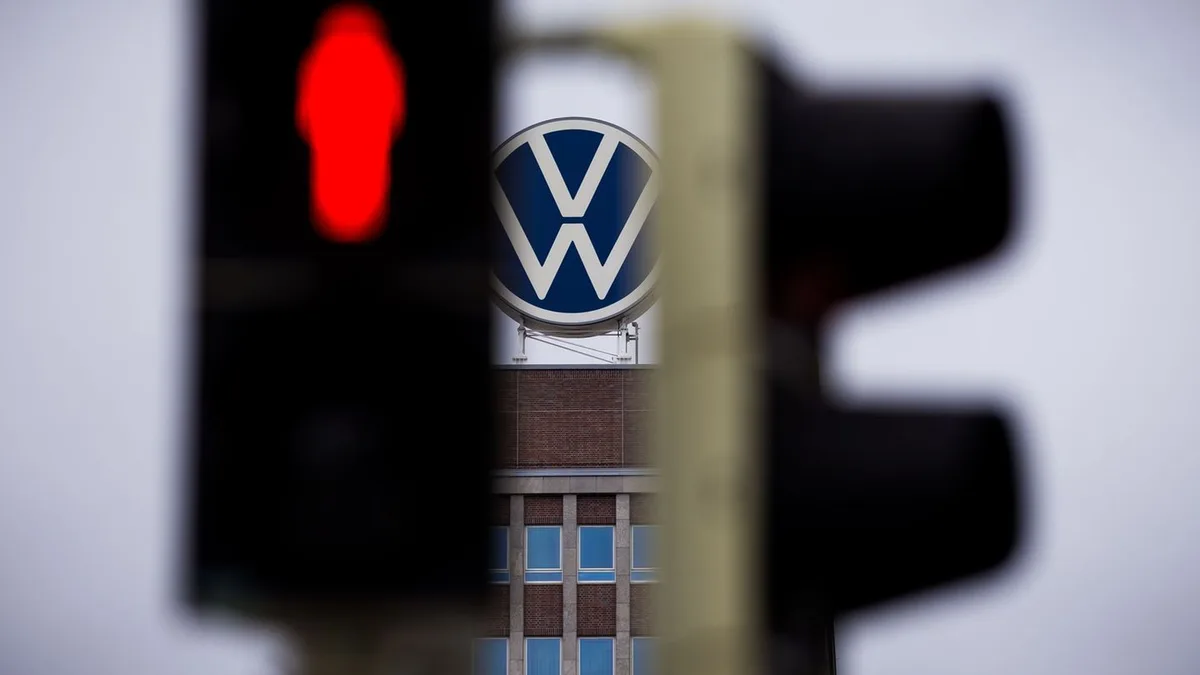
Volkswagen alerts that a screw breakage may lead to steering failure in several VW and Audi models. The KBA has issued recommendations regarding the affected vehicles.
Volkswagen and Audi are recalling millions of vehicles over a bolt in the steering gear mount that can corrode, an action that has now expanded to include Skoda and Seat as well, according to Handelsblatt. Worldwide, roughly 2.16 million VW vehicles are affected, along with about 697,000 Audis, 66,000 Seats and, according to Handelsblatt, more than a million Skodas, though official figures for Skoda have not yet been released; whether Cupra models are affected has not been confirmed. In Germany alone, at least 950,000 vehicles are affected across the brands, according to Germany's Federal Motor Transport Authority (KBA). The action is one of the largest at the Volkswagen Group since the diesel emissions scandal roughly a decade ago.
The affected models include the VW Golf, Golf Variant, Golf Sportsvan, Tiguan, Touran and Caddy built between September 24, 2013 and July 1, 2024; the Audi Q3 built between October 31, 2017 and May 23, 2024; and the Seat Ateca and Tarraco built between April 2016 and September 2024. Which Skoda models are affected has not yet been specified. Volkswagen says the problem was identified during internal quality checks: moisture can enter the area around a bolt securing the steering gear and cause it to corrode over the vehicle's lifetime. If the bolt head breaks off, the steering gear remains attached at only one further point to the front axle carrier, and under high load — such as parking or slow maneuvering — its housing can be damaged, in extreme cases leaving the vehicle unable to steer.
Vehicles can continue to be driven for now, a VW spokesperson said, and owners can check whether their car is affected using its vehicle identification number; Volkswagen is running the campaign under code 48VS, Audi under 48LG, with the KBA reference number 17016R. Volkswagen estimates that only up to about 1 percent of recalled vehicles actually have the defect, and the KBA says it is not aware of any property damage or injuries linked to the issue so far. The repair, replacing the bolt with a more corrosion-resistant version, is free for owners and takes up to an hour.
Some owners may need to visit a workshop twice: at the start of the campaign, the correct replacement bolt may not be available in sufficient quantities everywhere, so workshops are permitted to use an alternate bolt temporarily, according to an internal parts-supply notice seen by the German press agency dpa. In that case, the recall is not considered complete, and the vehicle will need to be brought in again once the correct bolt becomes available. A VW spokesperson called the approach “sensible,” saying it lets workshops avoid sending corrosion-affected cars away unrepaired even when the specified bolt is out of stock.