
G7 to Release Up to 100 Million Barrels of Oil and Diesel Reserves
The G7 countries will release up to 100 million barrels of oil and diesel over the next four months to alleviate rising fuel prices, responding to pressure from the U.S. and particularly Donald Trump.
The Group of Seven and its partners agreed on Friday, October 2, to release as much as 100 million barrels of emergency diesel and other oil stocks over the next four months, in a coordinated move through the International Energy Agency (IEA) aimed at pulling down fuel prices that have surged since the war with Iran began. The deal follows weeks of pressure from the Trump administration, which had also floated restricting U.S. diesel exports.
What was agreed
The release is meant to start immediately and run for four months, with a "front-loaded substantial diesel release within the first 20 days," according to the agreement. Diesel is the focus because it is the fuel that moves freight, farm equipment and much of Europe's economy, and it is where prices have climbed fastest. G7 leaders also pledged not to impose export bans on energy products among themselves, a commitment aimed at calming fears of a fuel-trade war.
Why now
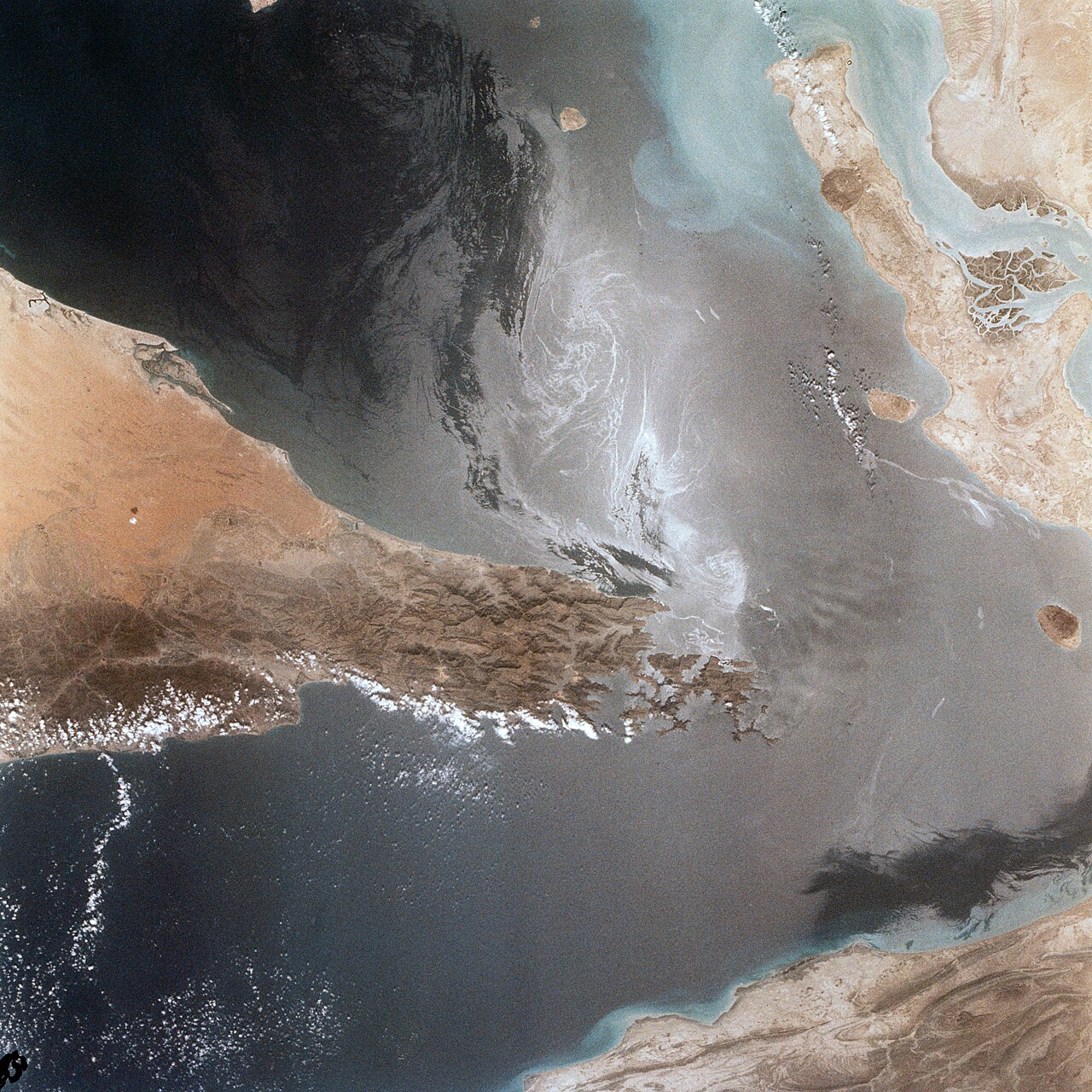
Fuel prices have spiked since the Iran war began on February 28. U.S. diesel has reached about $6.50 a gallon, roughly $3 more than a year ago, while European diesel has climbed to around €2.24 a liter, up about €0.65 since the conflict started. Traffic through the Strait of Hormuz, the narrow waterway that carries a large share of the world's oil, is running at about 75 percent of pre-war levels, with roughly 16.5 million barrels a day moving through in September. The war in Ukraine has added to supply strain.
A second emergency release
This is not the first dip into reserves this year. IEA members committed in March to release 400 million barrels, about two-thirds of which has already reached the market. The new 100 million barrels comes on top of that, and mixes diesel with other products rather than being a pure crude release.
Market reaction
Oil prices eased after the announcement. Brent crude fell about 1.5 percent to roughly $100.80 a barrel and West Texas Intermediate dropped about 2.7 percent to around $90.40. Prices remain far above levels seen before the war, and the size of the move shows how much of the risk is tied to the Gulf rather than to inventories.
The export-ban threat
Part of the diplomacy was about what the United States might do if prices kept rising. Oxford Economics estimated that a full U.S. diesel export ban could lift European wholesale diesel prices by 40 to 50 percent and add around 0.4 percentage points to U.S. core inflation in 2027, which is why the no-export-ban pledge is as significant to European governments as the barrels themselves.
What to watch next
The key questions are how fast the diesel actually reaches pumps, whether reserves are replenished later at higher cost, and whether the Strait of Hormuz returns to full flow. Reserve releases lower prices only temporarily if the underlying supply disruption persists. Cupure will update this page as the IEA publishes country-by-country volumes and as prices move.
Sources
- The NationalG7 members agree to release 100 million barrels of diesel and other reserves
- BloombergG7 to Release Up to 100 Million Barrels of Diesel, Crude
- ABC NewsG7 nations will release 100 million barrels of oil and diesel fuel after prices soar
- The Washington PostG-7 agrees to release oil reserves to reduce fuel prices after U.S. pressure
- KGOU/NPRThe G7 will release 100 million reserve barrels of diesel fuel over the next 4 months