Congo's 2026 Ebola Outbreak: Cases, Deaths, Vaccines and What Comes Next
How the Bundibugyo Ebola outbreak in the Democratic Republic of Congo grew to more than 8,600 confirmed cases and 4,100 deaths, which vaccines and drugs are being tested, and the milestones that will show whether it is being brought under control.
The Democratic Republic of Congo declared its 17th Ebola outbreak on 15 May 2026, and within five months it had become the country's deadliest and the second-largest Ebola epidemic ever recorded. It is caused by Bundibugyo virus, a rarer Ebola species for which no vaccine or treatment has been approved. By about 7 October, Congo's health ministry counted 8,665 confirmed cases and 4,178 deaths across 64 health zones in seven provinces, a fatality rate of 48.2%. The World Health Organization (WHO) declared it a public health emergency of international concern on 17 May, and on 6 October Kenya reported its first imported case.
What strain is causing the outbreak, and where is it?
Ebola disease is caused by several related viruses. The vaccines and antibody drugs used successfully in Congo since 2018 were built against Zaire ebolavirus. This outbreak is Bundibugyo virus disease, first confirmed in eight laboratory samples, according to WHO. It surfaced in Ituri province, around the gold-mining town of Mongbwalu, and Ituri remains the epicentre: Africa CDC's 2 October situation report put Ituri at 6,370 cases and 2,933 deaths, about three quarters of the national total. North Kivu followed with 1,657 cases and 979 deaths, and cases have also been confirmed in Haut-Uélé, Tshopo, Bas-Uélé, South Kivu and Sud-Ubangi. The previous Congolese outbreak, in Kasai, ended in December 2025, according to the UK Health Security Agency.
How many people have been infected and died?
Key figures (confirmed cases unless stated). 15 May: outbreak declared; Africa CDC reports about 246 suspected cases and 65 deaths. 22 May: WHO counts 750 suspected cases and 177 deaths and raises Congo's risk to 'very high'. Late June: confirmed cases pass 1,000. 21 July: 2,536 cases and 1,033 deaths. 29 August: 5,794 cases and 2,786 deaths (WHO). 7 September: 6,757 cases and 3,267 deaths (WHO). 26 September: 8,067 cases and 3,901 deaths (health ministry). 2 October: 8,442 cases and 4,080 deaths (Africa CDC). 5 October: 8,544 cases, 4,114 deaths and 2,230 recoveries (ministry). About 7 October: 8,665 cases, 4,178 deaths and 2,259 recoveries (ministry). Headlines can look contradictory because agencies publish on different cut-off dates: on 2 October the ministry announced 4,018 deaths among 8,300 cases while Africa CDC's report the same day showed 4,080 and 8,442. Once dated, the series rises steadily. One Spanish headline at the end of September reversed the two numbers and reported 8,300 deaths, which no official source supports. All of these are confirmed figures. In July WHO estimated the true outbreak could be two to four times larger, because many deaths happen at home without testing.
Do any vaccines or treatments work against Bundibugyo?
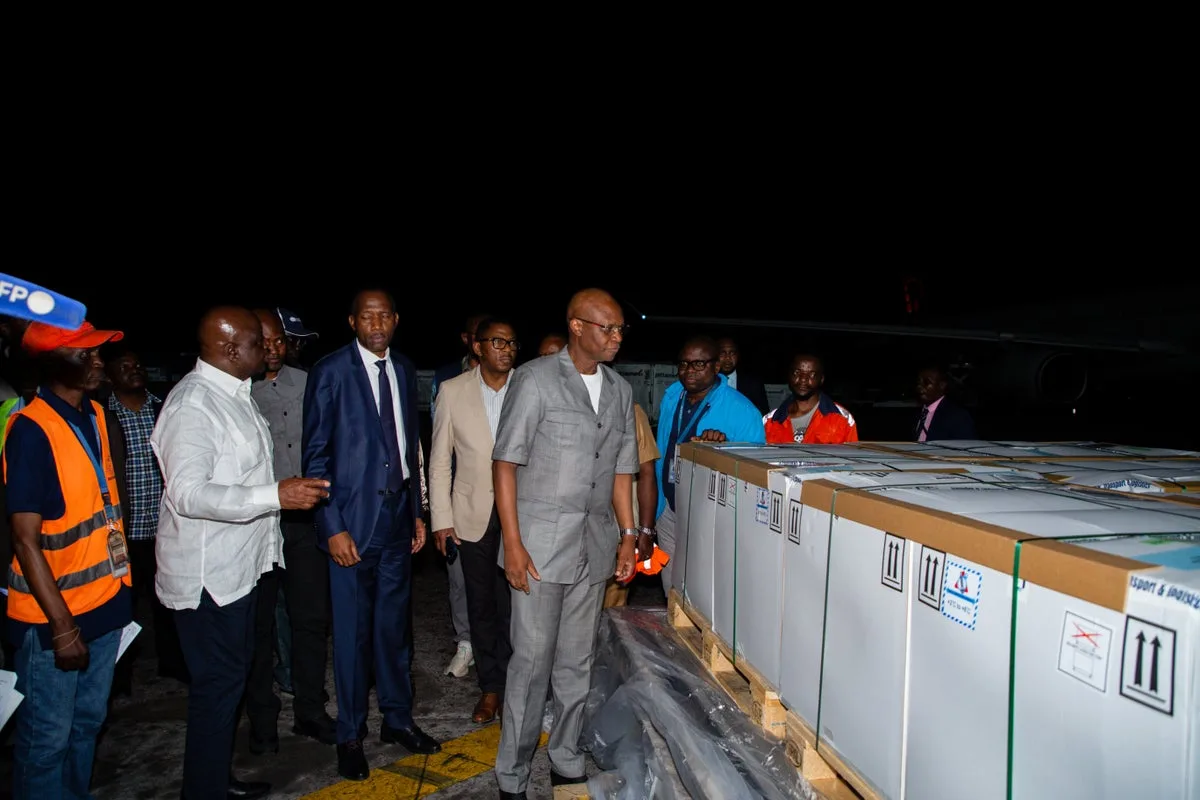
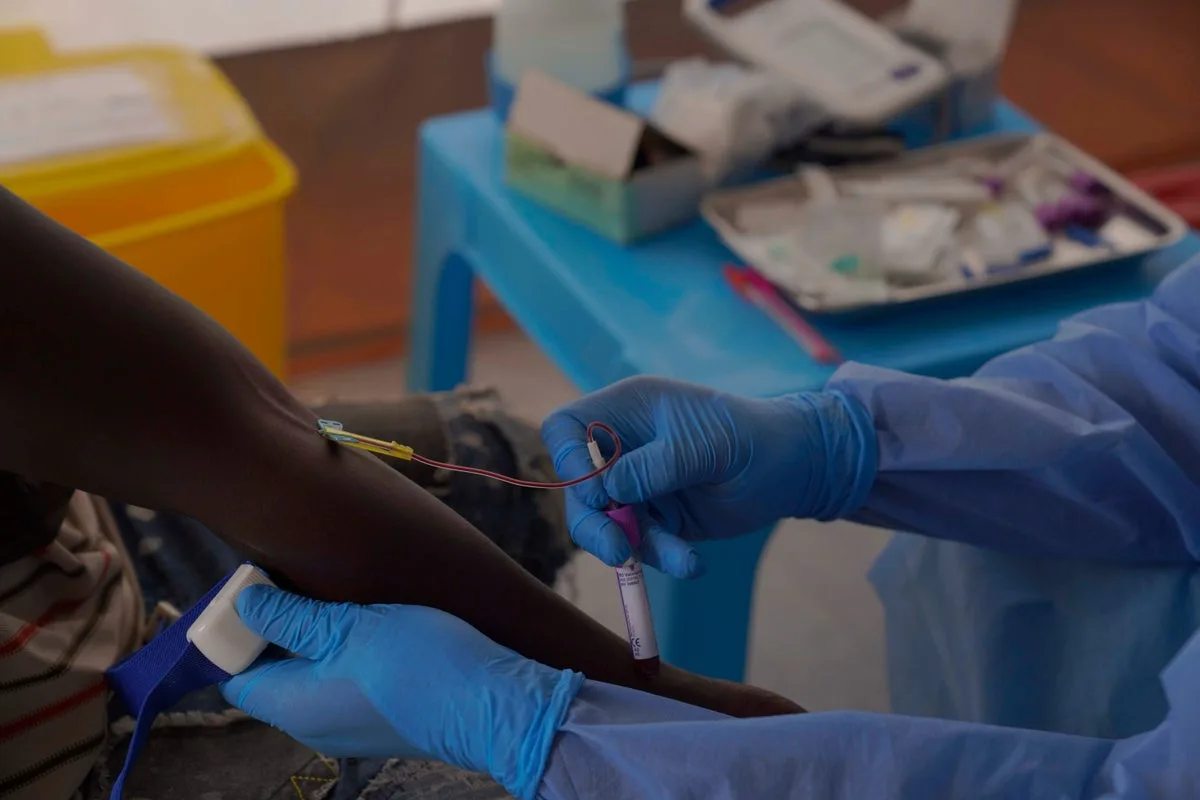
No product is proven. The licensed Ervebo vaccine targets Zaire ebolavirus. On 19 August WHO's vaccine advisory group, SAGE, judged the evidence insufficient for routine use against Bundibugyo and said its efficacy is unknown, so it is being given only under a research protocol. The first 16,000 of 70,000 allocated doses landed in Kinshasa around 22 August. Italian broadcaster Sky TG24 reported that 20,000 are reserved for a clinical study and 50,000 for health and frontline workers. Health Minister Roger Kamba launched vaccination in Kisangani on 27 August, and WHO counted 2,007 people vaccinated by 6 September. For treatment, WHO's PARTNERS trial began enrolling on 2 July at five sites in Ituri, testing candidates including the antiviral remdesivir and the antibody cocktail MBP134, and had enrolled more than 300 confirmed patients by early September. A separate trial led by the medical charity ALIMA, called EBO-PEP, is testing whether Gilead's experimental pill obeldesivir can prevent illness in people recently exposed. More than 250 of a planned roughly 1,000 contacts had been enrolled at Rwampara hospital by early October, half of them on placebo. Bundibugyo-specific vaccines are in early development, including an Oxford candidate that entered a Phase 1 trial in July.
Why is the outbreak so hard to contain?
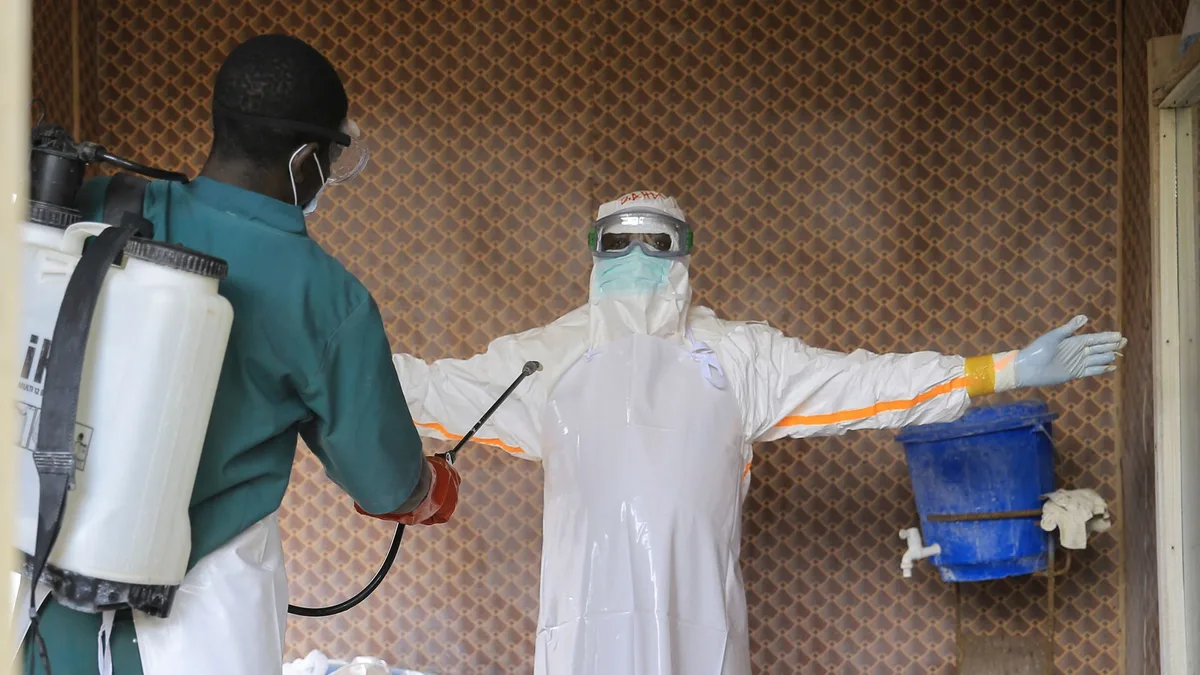
The death rate among confirmed cases has stayed near 48% nationally and reached 59.1% in North Kivu (Africa CDC, 2 October), which WHO links to late detection and gaps in access to care. Staff are the main bottleneck. In mid-September WHO said Congo needed 5,000 more health workers, and on 8 September it warned of too few beds, with recovered patients working as carers. Africa CDC says about 50 health workers have died since May. Unpaid wages caused strikes in Ituri in July, including at Bunia General Hospital. Insecurity makes this worse: treatment centres have been burned, Red Cross teams attacked, and about one million displaced people live in Ituri alone, according to WHO. Mobile gold miners carry the virus across remote areas. On 2 October contact follow-up stood at 73.1% against a 95% target.
Could Ebola spread beyond Congo, and who is paying for the response?
WHO rates the risk as very high in Congo, high for its land neighbours and low globally, and advises against travel or trade restrictions. Uganda recorded 20 confirmed cases and 2 deaths, 15 of them imported, before WHO and Africa CDC declared its outbreak over on 27 August. A French doctor infected in Congo was diagnosed on 24 June and recovered, and patients evacuated to Berlin and Frankfurt were treated successfully. Kenya became the fourth country to confirm a case. A Kenyan man who had lived in Congo for seven years travelled by road to Uganda, flew from Entebbe to Nairobi and died on 5 October. Health Minister Aden Duale said 28 contacts were identified, and passengers on the same flight are being traced. On funding, WHO and Africa CDC launched a six-month, $518 million joint plan in early June. The United States, which has left WHO, pledged a further $242 million in August. Germany added €11 million and the UK up to £20 million. Africa CDC's latest reports still cite missing vaccination funds and operational plans in some provinces.
What happens next?
The trend is mixed. In mid-September Congo's government said the epidemic peaked in mid-August, while WHO warned that weekly deaths in North Kivu had nearly doubled and spread there was exponential. New health zones, such as Alimbongo, were still reporting first cases in early October. Dates to watch: Kenya's contacts finish 21 days of monitoring in late October, which will show whether there was local transmission. WHO's IHR Emergency Committee last met on 18 August and normally reviews an emergency about every three months. Results from the PARTNERS, EBO-PEP and Ervebo studies will decide which tools can be used widely. The outbreak can only be declared over 42 days after the last patient tests negative twice or is buried, as happened in Uganda. In July one expert warned it could last into 2027. WHO says it is on course to overtake the 2014–2016 West African epidemic, which killed about 11,000 people.
Sources
- WHO Disease Outbreak News: Ebola disease caused by Bundibugyo virus, Democratic Republic of the Congo (DON617, data to 7 Sept 2026)
- WHO: Epidemic of Ebola disease caused by Bundibugyo virus determined a public health emergency of international concern (17 May 2026)
- Africa CDC: Bundibugyo Virus Disease Outbreak Situational Report, 2 October 2026
- UKHSA: Outbreaks under monitoring, week 39 (week ending 27 September 2026)
- AP via Medical Xpress: Congo's Ebola outbreak tops 8,000 confirmed cases as disease remains out of control
- AP via Medical Xpress: Inside the study for a remedy to fight Congo's deadliest Ebola outbreak
- Citizen Digital: WHO launches plan to curb Africa Ebola outbreak ($518 million)
- Al Jazeera: Why single Ebola death in Kenya has sparked fears of wider African spread
- Cupure — Ebola Outbreak in Congo: 13 Cases of Rare Bundibugyo Strain Confirmed
- Cupure — Congo Launches Ebola Vaccinations Amidst Deadliest Outbreak on Record
- Cupure — Ebola Epidemic Worsens in DRC's North Kivu, WHO Warns of Exponential Spread
- Cupure — Ebola Cases in Congo Exceed 8,000 Amid Health Worker Shortage
- Cupure — Over 250 Participants Enrolled in Ebola Drug Trial in Congo
- Cupure — Kenya Confirms First Imported Ebola Case from Congo, Patient Dies
- Cupure — Ebola Outbreak in Democratic Republic of Congo Claims 4,178 Lives