Spain's 2026 Snap Election: Why Sánchez Called It and How Housing Became the Issue
A guide to Spain's 29 November 2026 general election: why Pedro Sánchez called it after Congress rejected his housing decrees, how Maricarmen Abascal's eviction put housing at the centre, who is running, what dated polls show, how the 350 seats are allocated and what happens after the vote.
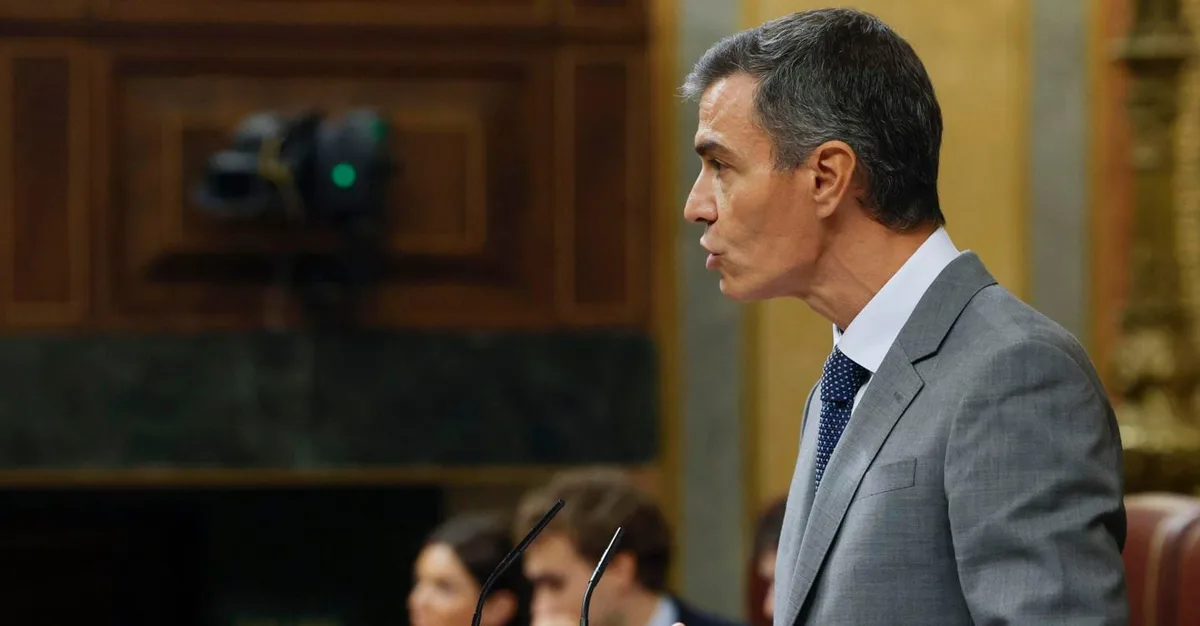
Spain votes in a snap general election on Sunday 29 November 2026. Prime Minister Pedro Sánchez of the Socialist Party (PSOE) called it on 5 October, three days after Congress voted down his two emergency housing decrees, and Royal Decree 806/2026, published in the official gazette (BOE) on 6 October, dissolved both chambers elected on 23 July 2023. Housing is the issue that forced the vote. The eviction of 87-year-old Madrid tenant Maricarmen Abascal on 23 September, and her death on 7 October, set off protests in more than 50 cities. Every poll published since the call puts Alberto Núñez Feijóo's People's Party (PP) first, and the PP and Vox together above the 176 seats needed for a majority. The latest CIS barometer, from September, still had the PSOE ahead. The new Cortes meet on 23 December.
Why did Sánchez call the election now?
Sánchez has led a minority PSOE–Sumar coalition since his investiture on 16 November 2023, which passed by 179 votes to 171. That majority depended on Catalan and Basque parties, including Carles Puigdemont's Junts. On 2 October Junts joined the PP and Vox against the government's two housing decree-laws. The first fell by 172 votes to 178 and the second by 166 to 184, Euronews reported. Junts had asked for the texts to be withdrawn and renegotiated from its own draft. In September Sánchez had said the election would not be timed for party advantage and would not coincide with the May 2027 regional and local elections. After the defeat, Cadena SER reported, the government concluded that the current parliament could not pass a housing law. In a televised statement of about nine minutes on 5 October, Sánchez said he needed to renew and widen public support. He framed the vote as a choice between a far-right wave and continued progressive government. The summer had already hurt him. A September CIS barometer, the first after the July migrant influx into Ceuta, showed the PSOE down two points and Vox up 1.3. On 21 September a judge also sent his wife, Begoña Gómez, to trial for influence peddling and embezzlement.
How did housing become the central issue?
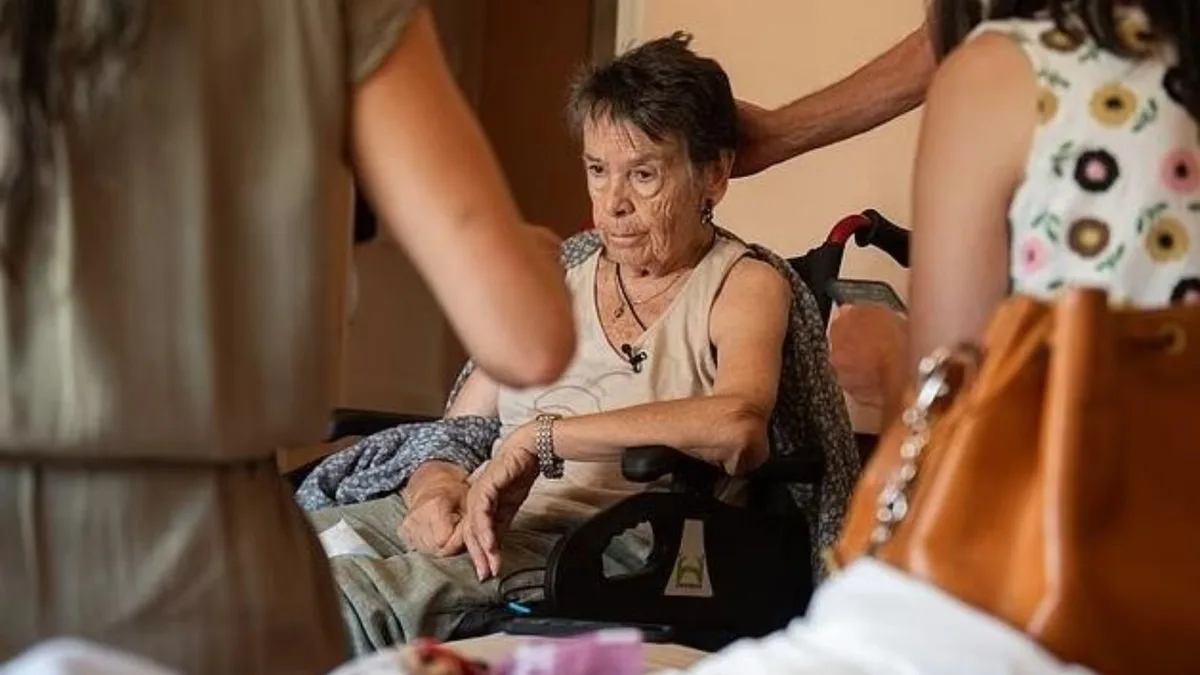
María del Carmen Abascal, known as Maricarmen, had lived in her rented flat in Madrid's Retiro district for about 70 years. Reports say 70 or 71. The company Urbagestión bought the building in 2018. Her old controlled-rent contract was around €500 a month, and the new rent demanded is reported as €1,650 or €2,650. She won at first instance, but the Madrid Provincial Court and then the Supreme Court sided with the owner. After four attempts she was evicted on 23 September and taken to Gregorio Marañón hospital, where she died on 7 October, according to the Sindicato de Inquilinas (tenants' union). A deal mediated by Madrid city council would have let her return on an eight-year lease, but it came too late. Around 500 people camped in the Puerta del Sol demanding a "Maricarmen decree". Feijóo asked that her death not be exploited politically.
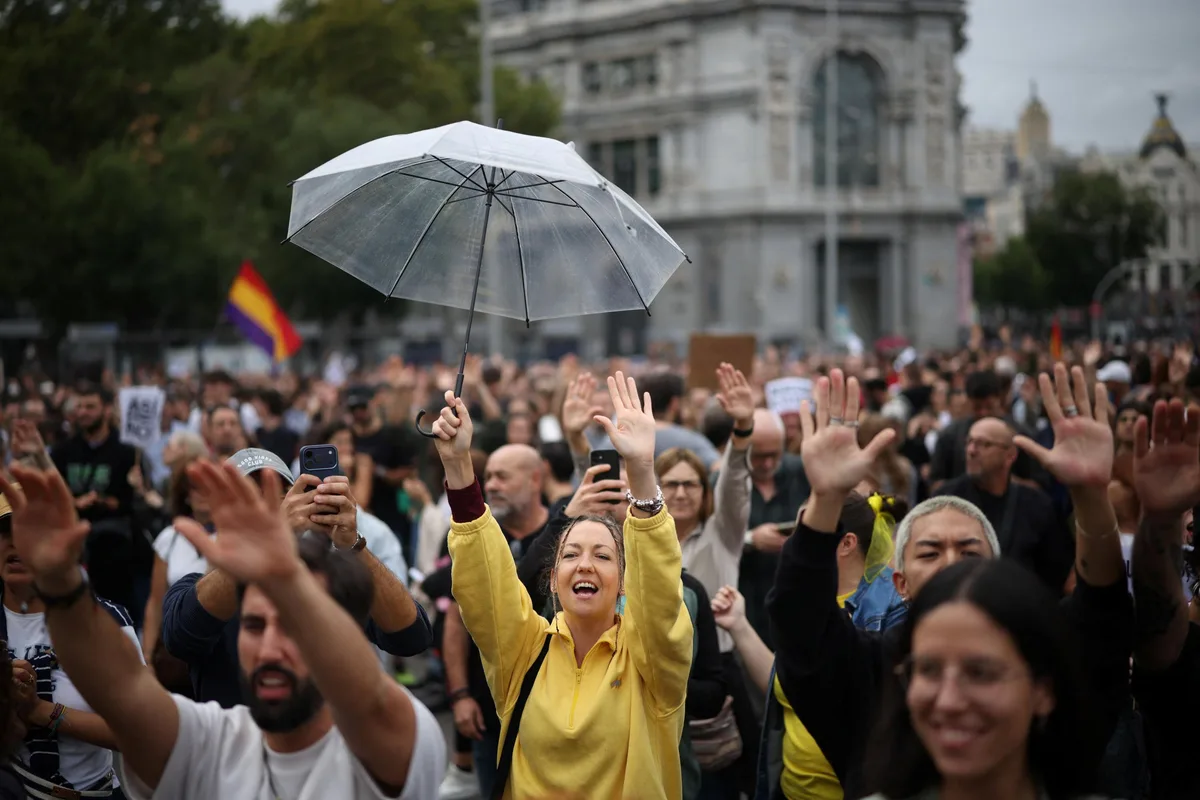
The data behind the anger is consistent. The National Statistics Institute (INE) said on 7 September that house prices rose 12.2% year on year in the second quarter of 2026: 12.9% for second-hand homes and 7.4% for new ones. The housing ministry's appraisal statistics put the average at a record €2,355 per square metre. A Fedea study by José Ignacio Conde-Ruiz and Álvaro Pinto estimated that 1.95 million people fell into "hidden poverty" in 2025 once housing costs are deducted, which lifts the poverty rate from 19.5% to 23.5%. For tenants paying market rent, it rises from 32.8% to 49.9%. Idealista counts about 510,000 long-term rental listings in 2025, against 902,660 in 2018. These are advertised listings, not occupied homes. On 3 October tenant unions marched in more than 50 cities. Organisers claimed over half a million people in Madrid, and official estimates were far lower. On 6 October the cabinet re-approved the substance of the decrees as 21 measures. They include a €10 billion ICO credit line for interest-free loans of up to €50,000 for first-time buyers and a rent deduction for tenants. The CCOO and UGT unions have called a 24-hour general strike for 11 November, their first joint one since 2012.
Who is running, and what do the polls say?
Sánchez said in September that he wanted to run again, and the PSOE has put Rebeca Torró, María Jesús Montero and Cristina Narbona in charge of its campaign. Feijóo leads the PP. Santiago Abascal leads Vox and has urged supporters not to vote by mail. To the PSOE's left, Frente Amplio (IU, Más Madrid, Comuns and Movimiento Sumar) proposed former Barcelona mayor Ada Colau as its candidate for prime minister on 12 October. On 13 October Podemos' Irene Montero ruled out joining and defended an alliance with ERC's Gabriel Rufián, so the left looks set to split. Junts is expected to field Míriam Nogueras. Puigdemont's status changed on 6 October: the Constitutional Court ruled 7–5 that the amnesty covers the procés embezzlement charge, and Supreme Court judge Pablo Llarena lifted the national arrest warrants against him, Antoni Comín and Lluís Puig. Puigdemont said "we are going to return". His lawyer, Gonzalo Boye, says no date will be set until the Supreme Court formally closes the case.
Polls are attributed and dated here because they disagree. The CIS barometer, with fieldwork on 1–4 September and 4,042 interviews, put the PSOE on 31.0%, the PP on 25.5%, Vox on 16.6%, Sumar on 5.7% and Podemos on 3.7%. The PP accuses the CIS, run by José Félix Tezanos, of bias. DYM for 20minutos (5–7 October, 1,011 online interviews, ±3.1 points) found PP 34.0% (139–143 seats), PSOE 28.2% (107–111) and Vox 18.2% (61–65), giving PP and Vox 200–208 seats. Target Point for El Debate (published 11 October) had PP 32.0%, PSOE 25.9% and Vox 18.7%, with PP and Vox on 193–203 seats. For comparison, the 2023 result was PP 137, PSOE 121, Vox 33 and Sumar 31.
How does the vote work, and what happens after 29 November?
Congress has 350 seats spread over 52 constituencies, the 50 provinces plus Ceuta and Melilla. Each province gets a minimum of two seats and Ceuta and Melilla one each, and the rest are shared out by population. Madrid elects 38, Barcelona 32, Valencia 16 and Soria 2. Voters pick a closed party list, seats are allocated by the D'Hondt method, and a list needs at least 3% of the valid vote in its province. INE puts the electorate at 38,524,385, including 2,747,688 Spaniards abroad. One dispute is still open. In September the Supreme Court suspended the voting effects of overseas registrations made under the Democratic Memory Law's "grandchildren" clause, except for proven exiles. It estimated 408,262 new overseas voters, and the State Attorney's Office put the figure at 369,017. On 12 October the court rejected the government's appeal but did not say how this applies to 29 November. Under Article 99 of the Constitution, after the vote the King consults the parties and proposes a candidate. That candidate needs an absolute majority (176), or a simple majority in a second vote 48 hours later. If no one is invested within two months of the first vote, the King dissolves the Cortes and a new election follows.
What happens next?
Timeline. 16 October: deadline to register coalitions. 21–26 October: candidate lists filed with the provincial electoral boards. 2 November: candidates proclaimed, published in the BOE on 3 November. 11 November: CCOO–UGT general strike. 13 November, 00:00: the 15-day campaign begins. 19 November: last day to request a postal vote. 23 November: last day polls may be published. 27 November: campaign ends. 28 November: day of reflection. 29 November: polling stations open 09:00–20:00. 23 December, 10:00: new Congress and Senate constituted, and the investiture timetable follows. Still unresolved: whether Podemos and Frente Amplio reach a single list, when and whether Puigdemont returns before the vote, how the Supreme Court's ruling on overseas voters is applied, and whether the Standing Committee validates the second housing decree.
Sources
- BOE — Real Decreto 806/2026 de disolución y convocatoria de elecciones (BOE-A-2026-20742)
- La Moncloa — Referencia: convocatoria de elecciones (5 Oct 2026)
- La Moncloa — Consejo de Ministros, 6 Oct 2026: housing decrees
- Constitución Española, art. 99 (BOE consolidated text)
- INE — Índice de Precios de Vivienda, 2T 2026 (7 Sep 2026)
- UPV/EHU Campusa — El reparto de los escaños en el Congreso
- Euronews — El Congreso tumba los decretos de vivienda (2 Oct 2026)
- Euronews — Calendario de las elecciones generales del 29N
- Euronews — El Constitucional avala la amnistía por malversación
- Euronews — Huelga general por la vivienda el 11 de noviembre
- Cadena SER — Pedro Sánchez convoca elecciones el próximo 29 de noviembre
- Ara — Before or after the 29-N? Puigdemont considers the return
- Ara — Feijóo celebrates the early election
- Diario de León — Llarena levanta la orden de detención contra Puigdemont
- Ara — CIS de septiembre tras Ceuta
- Demócrata — Encuesta DYM octubre 2026
- Demócrata — Encuesta Target Point para El Debate
- ESdiario — Fedea: pobreza oculta y alquiler
- El Independiente — La oferta de alquiler cae un 44% desde 2018 (idealista)
- RTVC — Muere Maricarmen, la mujer de 87 años desahuciada en Madrid
- RTVC — El censo del voto exterior, a la espera del Supremo
- Cupure — Spanish Prime Minister Pedro Sánchez Calls Early Elections for November 29 Amid Housing Crisis
- Cupure — Spain's Government Faces Crisis Over Housing Shortage and Failed Rent Protection Measures
- Cupure — Maricarmen, Symbol of Housing Protests in Spain, Passes Away at 87
- Cupure — Thousands Protest in Spain Against Housing Crisis and Evictions
- Cupure — Puigdemont May Return to Spain After Constitutional Court Ruling
- Cupure — Spain's Official Gazette Announces Dissolution of Parliament and Elections on November 29
- Cupure — Spain’s Frente Amplio Proposes Ada Colau as Candidate for November 29 Election
- Cupure — Spain’s Supreme Court Keeps Voting Suspension for Citizens Naturalized Under Grandchildren Law