Is the AI Bubble Bursting? Why Stocks and Gold Fell in October 2026
What fell on 29–30 October 2026, why Alphabet, Intel and Amazon shook markets, why gold dropped too, whether it is a crash or a correction, and what the war with Iran has to do with it.
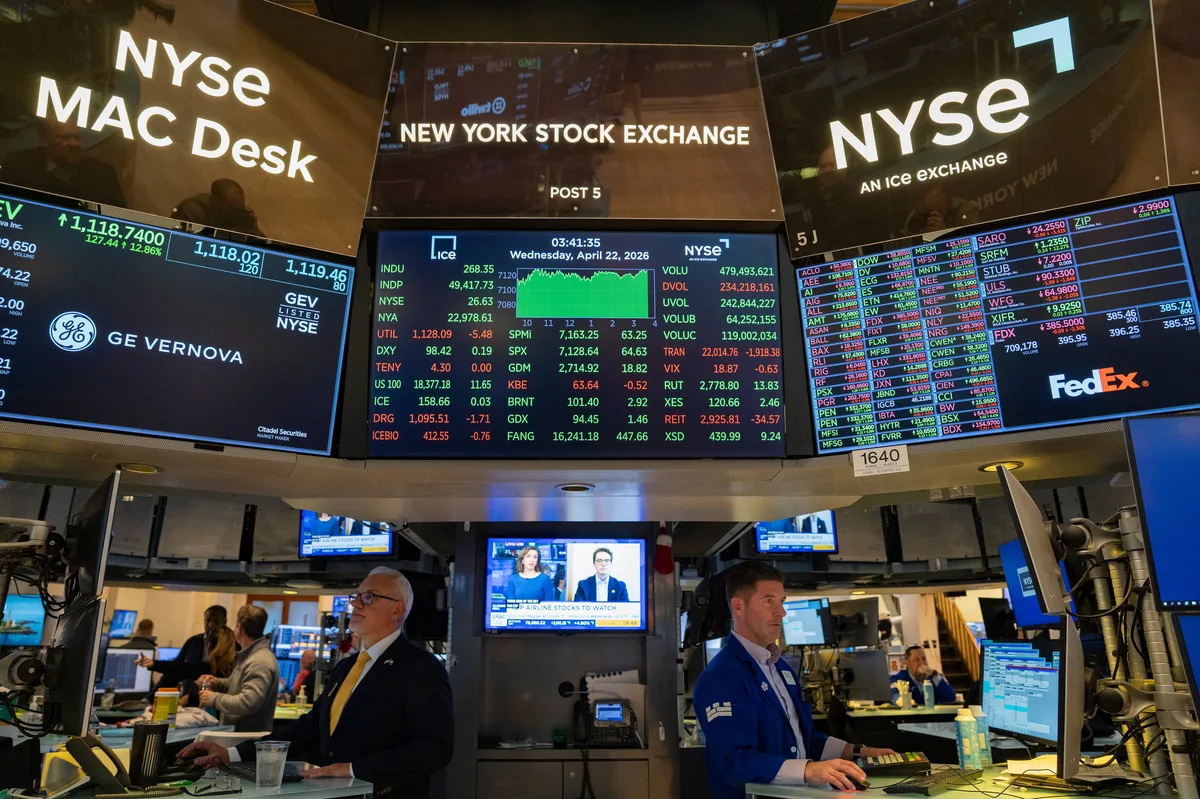
Not by the usual yardsticks, but the AI trade is under real strain. Weak results from Alphabet, Intel and Amazon on 29–30 October 2026 set off the sharpest US tech sell-off since June: on Friday 30 October the Nasdaq Composite fell 2.86% and the S&P 500 1.82%. Even so, the S&P 500 was only about 3–4% below its record, well short of the 10% fall that defines a correction.
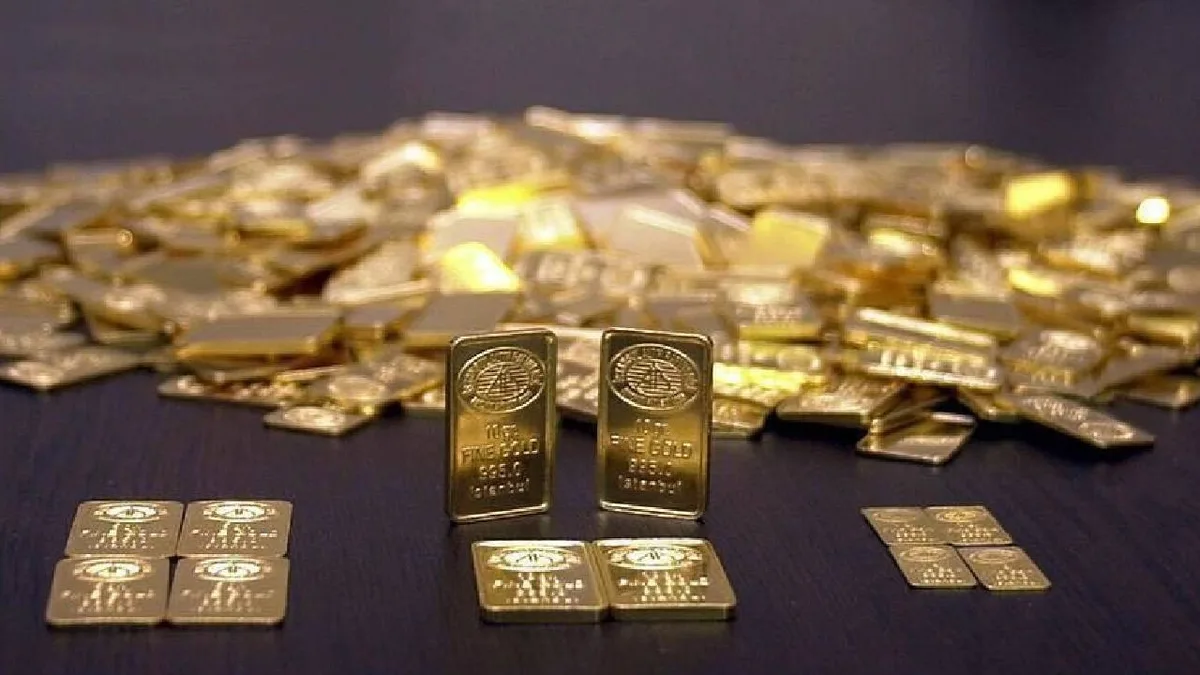
Gold offered no refuge. Spot gold dropped 3.6% to about $3,876 an ounce on 30 October, its lowest level in more than a year, as rising oil prices revived expectations of another US interest-rate rise. None of the major market reports blamed the sell-off on fear of a new war; they pointed to company results, AI spending and interest rates.
What fell on 29 and 30 October?
Alphabet set the tone on Thursday 29 October. Google's parent missed revenue expectations as advertising growth slowed, and according to the Financial Times it acknowledged that its AI Mode has hurt traditional search. The shares fell 12–13%, wiping out about $500 billion of market value in the company's worst trading day on record.
Friday brought more. Intel lost about 29% after a weak fourth-quarter forecast, its worst day since 1974, saying high memory-chip prices are hurting PC demand. Amazon slipped about 1.5–2% after its quarterly profit fell 2.4% and its free cash flow turned negative by about $42 billion over 12 months. Nvidia fell 4.2% and Reddit 24%.
At Friday's close the Nasdaq stood at 25,437 (−2.86%), the S&P 500 at 7,580 (−1.82%) and the Dow Jones at 51,770 (−1.09%). Over October as a whole the Nasdaq lost about 5%, its worst month since March 2025, and the Nasdaq-100 was on course to shed more than $2 trillion in market value.
Did stock markets fall everywhere?
Asia took the first hit. On 30 October Japan's Nikkei 225 fell about 2.1–2.4% and South Korea's Kospi dropped by as much as 5%, prompting the Seoul exchange to trigger a 'sidecar' that briefly pauses programme selling. Mainland Chinese shares were 0.7–1.4% lower; Hong Kong went the other way: the Hang Seng closed 1.46% higher at 23,294.
Europe was calmer. Germany's DAX lost 0.9% to 25,808 yet still ended October 2.5% higher. Milan's FTSE MIB fell 1% to about 49,500 and Madrid's IBEX 35 1.09% to below 18,700, dragged down by banks. Istanbul's BIST 100 fell 3.64% to 10,759.56, a weekly loss of 3.22%, in a market already shaken by Turkey's investment-fund scandal; the regulator SPK has extended its margin-trading curbs to 13 November.

Why are investors worried about AI spending?
The common thread is doubt that the money pouring into artificial intelligence will pay off soon. J.P. Morgan puts global AI capital spending at $900 billion in 2026 and $5.5 trillion by 2030, and Morgan Stanley expects AI infrastructure spending to top $1 trillion in 2027. J.P. Morgan analysts say this year's outlays by Amazon, Alphabet, Meta, Oracle and Microsoft roughly equal everything they spent since ChatGPT launched in November 2022.
More of that spending is now financed with debt: Meta has planned a $97.5 billion fund-raise and Microsoft a bond sale of about $25 billion, according to Investing.com. Not every result disappointed, though. Microsoft reported 19% revenue growth on strong cloud demand, a sign that investors are separating companies that earn from AI from those that mainly spend on it.
Is it a crash, a correction or a bubble bursting?
By market convention, a correction is a fall of 10% from a peak and a bear market a fall of 20%. The late-October slide is well short of both for the broad US market. The VIX volatility index, often called Wall Street's fear gauge, rose 13% on Friday to 19.4.
The bubble warnings are louder elsewhere. An index of Chinese AI and chip stocks fell about 40% in four months, according to Reuters, which the Financial Times summed up as an AI bubble that has already popped in China. Die Zeit argued that the question is no longer whether the AI bubble bursts but when. On the other side, John Bilton of JPMorgan Asset Management said growth may have been overestimated but is not turning negative, and Foxconn said it sees no AI bubble.
Why did gold fall when stocks fell?
Gold usually gains when investors are frightened, but it pays no interest, so it suffers when interest rates are expected to rise. Spot gold ended 30 October at $3,875.55, down 6.8% for the month and well below its record highs of late January. The Federal Reserve raised rates in September for the first time in more than three years, held them on 28 October, and officials such as Dallas Fed President Lorie Logan have signalled further increases.
Money seeking safety went into US government bonds and the Japanese yen instead: the 10-year Treasury yield fell from 4.98% to 4.93%. Crypto offered no shelter either. A theft of about $6.3 billion from the Binance exchange, which investigators link to a North Korean hacking group, pushed bitcoin down about 3% to roughly $76,600.
Is the world preparing for a war?
The market reports from AP, Yahoo Finance, Investing.com and Europe's exchanges did not cite fear of a new war as the cause of the sell-off. The war that does weigh on markets is the existing one: since the US and Israel attacked Iran on 28 February 2026, traffic through the Strait of Hormuz, the route for about a fifth of the world's oil, has been repeatedly disrupted despite a ceasefire first agreed in April.
In October, Iranian attacks on ships and reports that Washington could resume strikes after the US midterm elections pushed Brent crude up about 12% to roughly $112–115 a barrel. Higher oil feeds inflation, and inflation feeds expectations of rate rises — the same chain that pulled gold lower. Gold, the classic hedge against war, fell instead of rising.
What happens next?
Key dates: 3 November — US midterm elections, after which, according to reports, strikes on Iran could resume. 13 November — Turkey's extended margin-trading curbs are due to end. 8–9 December — the Federal Reserve's next meeting, where markets expect another rate rise. Beyond that, the next round of big-tech results and Anthropic's planned stock-market listing will test whether investors are still willing to pay for AI growth.
Sources
- Federal ReserveFOMC meeting calendar 2026en
- APThe sell-off for tech stocks drags Wall Street toward its worst day since June (30 Oct 2026)en
- Yahoo FinanceStock market today, Friday 30 October 2026 (live)en
- Investing.comNasdaq faces $2 trillion wipeout in October as AI spending fears deepenen
- Investing.comGold hovers near $4,000 as PCE inflation, oil risks revive Fed hike concernsen
- Bastille PostHong Kong's Hang Seng Index closes 1.46 pct higheren
- Investing.comAsia stocks tumble as AI spending concerns deepen; BOJ holds ratesen
- HandelsblattDax schließt im Minus und reißt die 26.000-Punkte-Markede
- ANSABorsa: Milano chiude in calo, Ftse Mib -1%it
- Infobae / EFELa bolsa española cae el 1,09 % y baja de 18.700 puntoses
- CNN TürkBorsa haftayı düşüşle tamamladıtr
- MarketWatchThe Fed held interest rates steady, but these officials see more hikes coming soonen
- Financial TimesThe AI bubble already popped — in Chinaen
- Al JazeeraSenators briefed on Trump's plan to restart war on Iranen
- CupureAlphabet Misses Revenue Expectations as Shares Fall on Slower Ad Growthen
- CupureIntel Forecast Disappoints Investors as High Memory Prices Weigh on PC Demanden
- CupureAmazon Third-Quarter Sales Rise 12% as Net Profit Falls 2.4%en
- CupureNasdaq Falls as Amazon and Intel Results Fuel Fears Over AI Spendingen
- CupureGold Falls to $4,030 an Ounce as Markets Assess Fed Decision and Await US Dataen
- CupureBinance Investigates Potential Security Issue as Stablecoin Issuers Freeze Fundsen
- CupureTurkey's 2026 Fund Scandal: What Happened, Who Is Investigated, What Investors Get Backen
- CupureTurkey’s Capital Markets Board Extends Margin Trading Measure Through November 13en