West Nile Virus in Europe 2026: Record Spread and the Netherlands' First Deadly Season
How West Nile virus spread across Europe in 2026, with country-by-country cases and deaths from ECDC, Italy's ISS, Greece's EODY and the Dutch RIVM, why the Netherlands became a new hotspot, and what to expect as the season ends.
West Nile virus, a mosquito-borne infection carried by birds, had its widest European season in years in 2026. The European Centre for Disease Prevention and Control (ECDC) counted 1,569 locally acquired human cases by 23 September, more than in all of 2025 (1,112) or 2024 (1,436). Italy and Greece carried most of the burden. The biggest change was further north: the Netherlands recorded 59 infections and 10 deaths by 8 October, according to its national public health institute RIVM, after reporting no locally acquired human cases between 2020 and 2026. Belgium and Germany also confirmed local transmission.
What is West Nile virus and how does it spread?
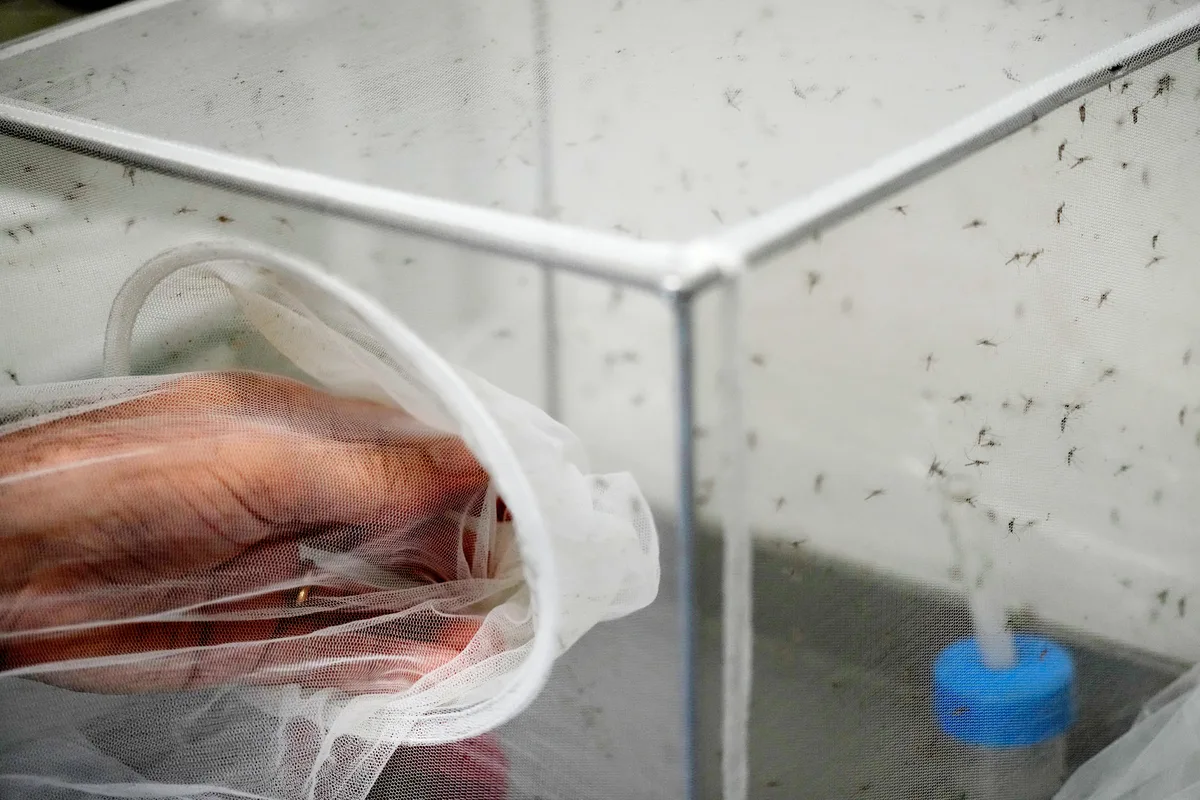
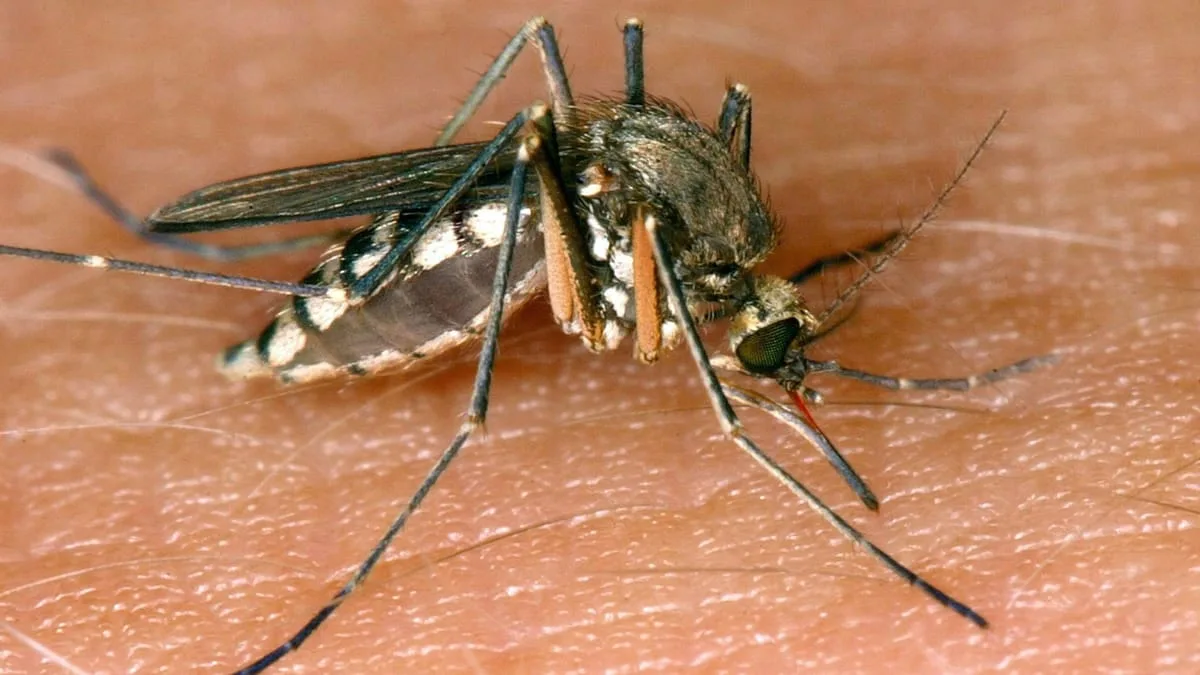
According to ECDC, the virus circulates between birds and mosquitoes, mainly Culex pipiens and Culex modestus in Europe. Humans and horses are infected by bites but are dead-end hosts: they do not pass the virus back to mosquitoes. Infection can also pass through transfused blood or transplanted organs from an infected donor. ECDC estimates that about 80% of human infections cause no symptoms and about 20% cause West Nile fever, a flu-like illness. Fewer than 1% develop neuroinvasive disease such as encephalitis or meningitis. Up to 17% of those neuroinvasive patients die, with older and immunocompromised people at highest risk. No human vaccine exists, so official advice from ECDC and RIVM centres on avoiding mosquito bites, for example with repellents, covering clothing and removing standing water around homes.
How many cases and deaths has Europe recorded in 2026?
The season started slower than usual. The joint ECDC–EFSA monthly report counted 245 locally acquired cases in seven countries by 5 August, below the ten-year average of 403 for that point in the season. ECDC's count reached 429 cases in nine countries by 13 August, 1,086 in 15 countries in early September, and 1,569 by 23 September. On that date, ECDC figures reported by German news agency dpa showed Italy with 696 cases, Greece 355, Spain 125, France 102, Romania 91, North Macedonia 69, Serbia 46, the Netherlands 28 and Germany 4 (in Rhein-Pfalz-Kreis, Leipzig and two in Berlin). Deaths had reached 61 by 3 September, 49 of them in Italy and Greece. The 2026 total is still below the 2018 record of 2,083 cases. Europe-wide counts lag national ones: RIVM was already reporting 44 Dutch cases the day after ECDC's 28.
National agencies give more recent figures. Italy's Istituto Superiore di Sanità (ISS) reported 754 confirmed cases by 7 October, in its weekly report no. 11: 401 neuroinvasive, 253 fever cases and 94 infections found by screening blood donors. It also reported 57 deaths and confirmed virus circulation in 85 provinces across 20 regions. Lombardy (178 cases), Veneto (137), Lazio (111, including 69 in the Rome area) and Piedmont (98) led. ISS put the case fatality rate among locally acquired neuroinvasive cases at 14.1%, against 19.2% at the same point in 2025. Greece's public health agency EODY reported 443 locally acquired cases by 8 October, including 282 involving the central nervous system, and 47 deaths. The median age of those who died was 82. Slovenia found the virus in dead crows near Ljubljana in September. Belgium had reported 16 suspected locally acquired cases by 9 October, the first believed to have been contracted inside the country.
Why is the Netherlands a new hotspot?
The Netherlands had only limited experience with West Nile virus before 2026. RIVM's records list an infected bird in September 2020 and the country's first patient in October 2020, followed by no human cases until this year. In 2026, infections in a bird and a horse were reported on 6 August. On 17 August, RIVM said a symptom-free blood donor in Utrecht province had tested positive in a Sanquin Research study. The first death, in Utrecht, followed on 26 August. Weekly RIVM updates then rose quickly: 9 cases on 3 September, 18 with three deaths on 10 September, 28 on 17 September, 44 with five deaths on 24 September, 56 with nine deaths on 1 October and 59 with ten deaths on 8 October. Patients included a 39-year-old woman from Amstelveen who developed meningitis. Most cases were diagnosed after hospital admission.
By 8 October, cases were spread across six provinces: Zuid-Holland 34, Utrecht 13, Noord-Holland 5, Noord-Brabant 4, Gelderland 2 and Overijssel 1. Animal surveillance shows how widely the virus circulated. RIVM reported 163 infected horses, 210 infected wild birds (with unusually heavy illness among crows and other corvids) and 20 positive mosquito pools. The fourth death, announced on 17 September, was a patient who had contracted the virus through a blood transfusion. RIVM said it was unclear whether the virus or existing ill health caused the death. Sanquin had stopped routine West Nile testing in 2022. From 18 September it tested all donations in nine provinces, including Groningen, Friesland and Drenthe, which had no cases. ECDC advises EU countries to defer donors for 28 days or test each donation when donors live in or have visited affected areas. ISS says Italy's surveillance exists partly to protect transfusions and transplants.
Why is West Nile spreading north and lasting longer?
In a September report from Italy, ISS researcher Antonino Bella linked higher temperatures to faster mosquito breeding, better survival of the virus and a longer transmission season. In Italy, cases now appear every summer and early autumn, and transmission sometimes lasts into November. Marc-Alain Widdowson of WHO's European office said warming will lengthen the period in which the virus can replicate in more countries. He also named biodiversity loss and land-use change, which may favour bird species that are efficient reservoirs. Two caveats apply. Bella warned against attributing everything to climate change. Better surveillance also finds more cases: Italy's network tests mosquitoes, birds and blood donors, and the 94 Italian donor infections were all found by screening. ECDC says Culex mosquitoes are already widespread across Europe, so the main limit on transmission is the weather rather than whether the mosquito is present.
What happens next?
In previous years, ECDC and EFSA observed that transmission peaked in August and September. That pattern held in 2026. RIVM said on 1 October that the Dutch peak had passed and reported only three new cases in the week to 8 October. Greece's weekly count fell to 20 new cases, and Italy's total rose by 27 between reports. Cases may still be added in the coming weeks, because ISS treats the most recent four weeks of data as provisional and Italian transmission has lasted into November before. Mosquito activity declines as temperatures drop. Sanquin's routine testing window traditionally runs through the May–December mosquito season. Upcoming dates are RIVM's Thursday updates, ECDC's Friday weekly reports while the season lasts, the next ECDC–EFSA monthly report and ECDC's full-year figures in 2027. The key question for 2027 is whether the virus survives the winter in Dutch and Belgian birds and mosquitoes. After the 2020 Dutch detection, no further human cases followed until 2026.
Sources
- ECDC — West Nile virus infection: facts
- ECDC — Surveillance and updates for West Nile virus infection
- ECDC — World Mosquito Day 2026: Europe must upgrade control tools as disease risks rise
- EFSA/ECDC — Surveillance of West Nile virus infections in humans and animals in Europe, monthly report
- RIVM — Westnijlkoorts: actuele informatie (update 8 October 2026)
- RIVM — Westnijlvirus vastgesteld bij bloeddonor
- Istituto Superiore di Sanità — Report della sorveglianza West Nile e Usutu, n. 11 (8 October 2026)
- EODY update on West Nile virus, 8 October 2026 (via Odigos tou Politi)
- Medical Xpress / AP — Italy sees mosquitos spread the West Nile virus farther and longer as Europe warms
- t-online.de (dpa) — West-Nil-Virus in Europa: Fälle nehmen zu, auch Kranke in Deutschland
- NL Times — Blood bank to test donations in 9 provinces after West Nile transfusion death
- NOS — Opnieuw iemand met westnijlvirus overleden, maar piek lijkt echt voorbij
- Cupure — West Nile Virus Claims Tenth Life in the Netherlands Amid 59 Infections
- Cupure — West Nile Virus Causes Rising Death Toll in the Netherlands
- Cupure — Nearly 1,600 West Nile Virus Cases Reported in Europe This Year
- Cupure — West Nile Virus Spreads in Europe, Causing 4 Deaths in a Week
- Cupure — West Nile Virus Spreads Further and Longer in Italy Due to Warmer Climate
- Cupure — Fourth West Nile Virus Death in Netherlands; 28 Cases Confirmed
- Cupure — West Nile Virus Detected in Dutch Blood Donor, First Human Case Since 2020
- Cupure — West Nile Virus Detected in Belgium, Raising European Health Concerns