State Pension vs Personal Allowance: How Budget 2026's Pension Tax Allowance Works
The full new State Pension passes the frozen £12,570 Personal Allowance in April 2027. What the 28 October 2026 Budget's Pension Tax Allowance does, who qualifies, how the taper works and how HMRC applies it.
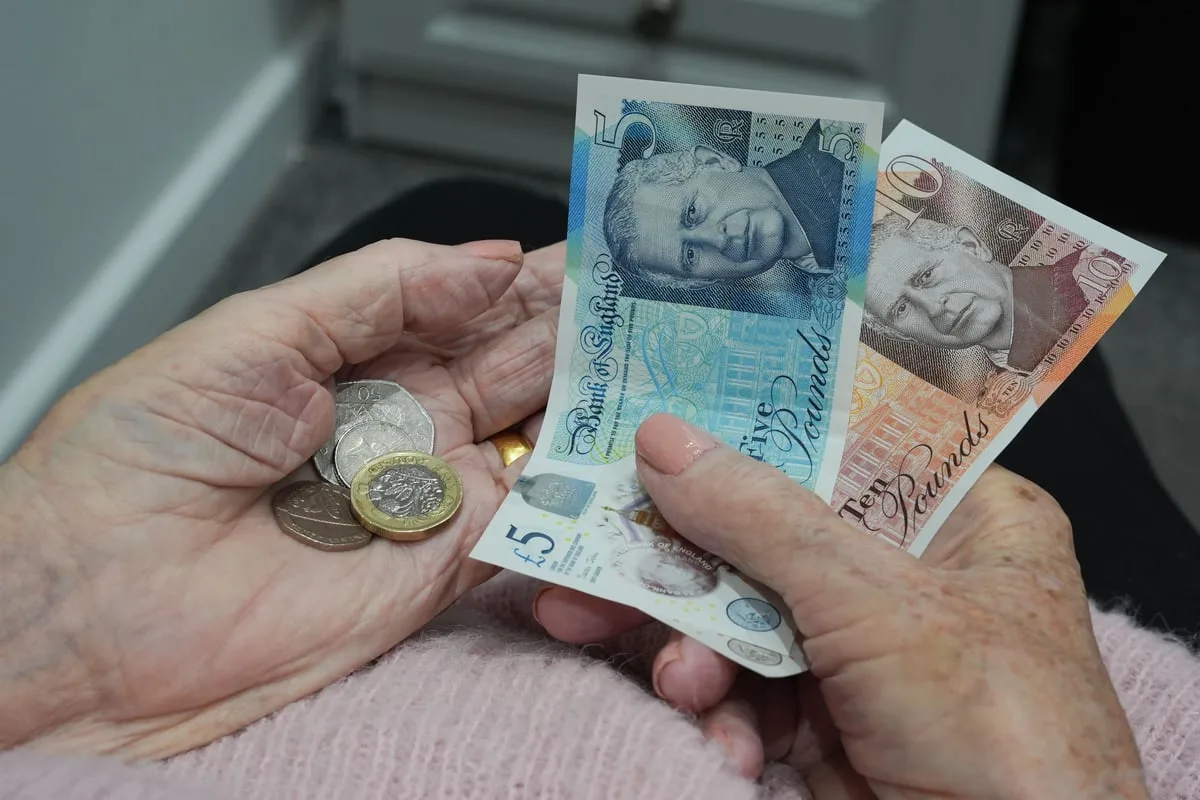
From 6 April 2027 the full new State Pension in the UK rises to £250.70 a week, or £13,036.40 a year, which for the first time is more than the £12,570 income tax Personal Allowance. The Budget on 28 October 2026 did not change the allowance, which stays frozen until April 2031. Instead, Chancellor John Healey confirmed a new Pension Tax Allowance. From 2027–28 to 2029–30, people over State Pension age whose total income, from any source, is no higher than the full new State Pension will pay no income tax. Above that level the relief is withdrawn gradually, and HMRC will apply it automatically, without a claim.
Why will the full State Pension pass the tax-free allowance in 2027?
The State Pension rises each April under the triple lock, which uses the highest of three figures: average earnings growth, CPI inflation in September, or 2.5%. For the April 2027 increase, the Office for National Statistics reported on 15 September 2026 that total pay, including bonuses, grew 3.9% in the year to May–July 2026. September CPI inflation, published on 21 October, was 3.5%. Earnings growth was therefore the highest figure. A 3.9% rise takes the full new State Pension from £241.30 to £250.70 a week, and HM Treasury's Budget explainer puts its annual value for 2027–28 at £13,036.40. The same rise would take the older basic State Pension, paid to people who reached State Pension age before 6 April 2016, from £184.90 to about £192.10 a week. The previous rise, in April 2026, was 4.8%, also set by earnings growth.
The tax side has stood still. The Personal Allowance, the amount of income a person can receive each tax year before paying income tax, has been £12,570 since 2021–22. In the Budget of 26 November 2025, then-Chancellor Rachel Reeves extended the freeze on the allowance and the higher-rate threshold for three more years, from April 2028 to April 2031. The 28 October 2026 Budget left that freeze in place, and the Treasury's explainer states that the new relief does not change anyone's Personal Allowance. In 2027–28 the full new State Pension exceeds the allowance by £466.40, so at the 20% basic rate the tax owed on it alone would be £93.28 a year, the figure the Treasury uses in its own example.
How does HMRC collect tax on the State Pension?
According to GOV.UK, the State Pension is paid without any tax taken off. When a pensioner also has a workplace or personal pension, or a job, HMRC changes their tax code so that the tax due on the State Pension is collected through that other income. When the State Pension is someone's only income and it takes them over the Personal Allowance, HMRC sends a Simple Assessment bill that says how much is owed. Under HMRC's current rules, a Simple Assessment letter dated before 31 October 2026 for the 2025–26 tax year must be paid by 31 January 2027, while later letters give three months. People who think a bill is wrong have 60 days to query it. The new relief targets exactly these letters: the Budget's tax overview says it spares pensioners the burden of paying small amounts of income tax through Simple Assessment.
What did the 28 October 2026 Budget decide?
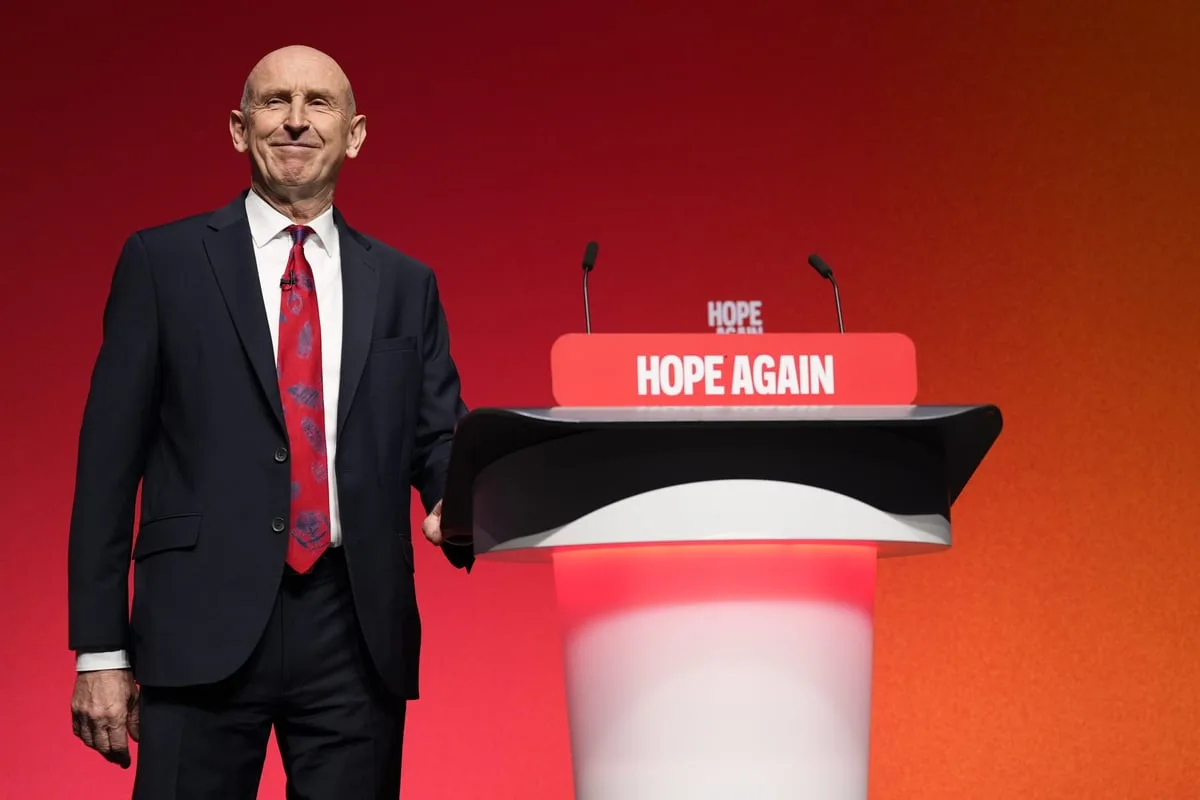
The Budget confirmed the Pension Tax Allowance, first promised in the November 2025 Budget. Despite its name it is a reduction in the tax bill, not a higher tax-free allowance: its value is 20% of the gap between the full new State Pension and the Personal Allowance, £93.28 in 2027–28. It applies in the tax years 2027–28, 2028–29 and 2029–30, rises each year in line with the full new State Pension, and will be legislated in Finance Bill 2026–27. Eligibility is wider than the 2025 pledge, which covered only people whose sole income was the State Pension without increments. According to HM Treasury's explainer, it applies to anyone over State Pension age, or reaching it during the tax year, whose total income is no more than the full new State Pension, whether that income comes from the State Pension, a private pension, work, savings, property or dividends. In one Treasury example, a pensioner with a partial State Pension and a small private pension totalling £12,970 would otherwise owe £80 and will now owe nothing.
How does the taper work, and how will HMRC apply it?
For income above the full new State Pension, the relief is withdrawn at £1 for every £3 of extra income. In 2027–28 that means full relief up to £13,036.40, partial relief between £13,037 and £13,319, and none from £13,319. In the Treasury's examples, a pensioner who deferred their State Pension and has £13,186.40 of income gets £44 of relief, while one with £13,400 gets none and pays £166. Nobody has to apply. HMRC will use the State Pension age and income data it already holds to apply the reduction automatically when it calculates income tax, and any remaining tax is collected as usual, for example through PAYE. The Treasury expects around 290,000 pensioners to pay no tax because of the allowance in 2027–28 and about 500,000 to get some reduction, rising to around 1 million by the end of this Parliament. The Budget costs the measure at £45 million in 2027–28, £90 million in 2028–29 and £150 million in 2029–30.
Reaction from the pensions industry on Budget day was mixed. Kate Smith of Aegon said protecting people who rely solely on the State Pension from income tax would be welcome news. Olly Cheng of Rathbones said it would be perverse for increases meant to protect pensioners' incomes to leave some facing a tax bill. Jon Greer of Quilter called the measure another sticking plaster over the cracks created by years of fiscal drag, and David Brooks of Broadstone said policymakers would need to think more carefully now that the State Pension has reached the Personal Allowance. Before the Budget, Steve Webb of LCP had warned of a cliff edge for people with small private pensions. The taper is meant to soften that, though it runs over only about £280 of extra income. The relief is also temporary: it ends on 5 April 2030, a year before the Personal Allowance freeze is due to end, and the government says it will consider arrangements after that in the usual way.

How will the triple lock change after 2030, and what happens next?
The Budget also confirmed an adjusted triple lock. The State Pension keeps rising by the highest of earnings growth, CPI inflation or 2.5% each year up to April 2029. From April 2030 it will rise by the highest of 2.5%, inflation, or the amount needed to keep its value relative to earnings at the level reached in April 2029. The Treasury says this removes the 'ratchet' effect while the State Pension tracks earnings over time, and estimates the saving at £15 billion a year by the late 2030s and £50 billion a year by the late 2040s. The Budget links the change to funding a National Care Service in England. Conservative leader Kemi Badenoch has said it would be hard to restore the full triple lock once it is removed. Key dates: 31 January 2027, payment deadline for most Simple Assessment bills for 2025–26; 6 April 2027, new State Pension rates and the Pension Tax Allowance take effect; Finance Bill 2026–27, which legislates the allowance; April 2030, the adjusted triple lock begins; 5 April 2030, the allowance ends unless extended; April 2031, the current Personal Allowance freeze ends.
Sources
- HM Treasury — Budget 2026 (28 October 2026), Pension Tax Allowance and Triple Lock
- HM Treasury — Pension Tax Allowance Explainer (28 October 2026)
- HM Treasury — Budget 2026: Overview of tax legislation and rates, 1.4 Pension Tax Allowance
- HM Treasury — Budget 2026 policy costings
- HM Treasury — Budget 2025 (26 November 2025), sections 5.8 and 5.10
- GOV.UK — Tax on your pension: how your tax is paid
- GOV.UK — Pay your Simple Assessment tax bill
- GOV.UK — Income Tax rates and Personal Allowances
- ONS — Average weekly earnings in Great Britain: September 2026
- ONS — Consumer price inflation, UK: September 2026
- IFA Magazine — Pensions and retirement planning: key Budget announcements and industry reaction (28 October 2026)
- Cupure — UK State Pension Set to Rise to £13,036 a Year From April 2027
- Cupure — UK State Pension Set for 3.9% Rise in April, Boosting Retiree Income
- Cupure — Debate Grows Over Triple Lock Pension Reform Amid Social Care Funding Concerns
- Cupure — Kemi Badenoch warns of challenges in reinstating pension triple lock if Labour abolishes it
- Cupure — John Healey Rejects Calls to Raise Capital Gains Tax in Budget